Every AI headline is about hospitals, call centers, or companies moving a thousand pallets a day. If you run a lawn care company, a vending route, or any other small service business, it’s easy to assume none of that applies to you.
It does. But before you dive in, you need to actually pick a tool. Here’s the honest, no-hype rundown.
You Don’t Need to Pick “The Best One”
The single best thing you can do as a beginner is skip the analysis-paralysis phase entirely. Go create a free account with one of the big three — Claude, ChatGPT, or Grok — and start talking to it about a real problem sitting on your desk right now. You’ll learn more in twenty minutes of actually using one than a month of comparison articles will teach you.
That said, here’s what you’re actually choosing between:
Claude (made by Anthropic) is strong for writing, business documents, and building actual working tools. It holds context well across a long project and is genuinely good at matching your own voice once you feed it real examples of your writing.
ChatGPT (made by OpenAI) is the one most people have already heard of. Strong general-purpose tool, and a good second opinion when you want to cross-check something another tool built.
Grok (made by xAI, built into X/Twitter) is fast and direct, with a good pulse on real-time information thanks to its X integration.
None of these is objectively “the best.” The single best move as a beginner is exactly what you’d guess: use more than one. Build something in one, hand it to another to poke holes in it. You don’t need a favorite before you start.
About Those Usage Limits
Every free tier has a limit — you’ll send a batch of messages, hit a wall, and then your allowance gradually comes back over the next several hours. That’s normal, not a sign you’re doing something wrong.
A few things worth knowing about how this actually works:
- Free tiers typically reset every few hours, not once a day — more like a phone battery than a subscription clock.
- Longer, more complex conversations use up your allowance faster than quick questions.
- When you hit the limit, you’re rarely cut off completely — most tools just switch you to a lighter, faster model instead of stopping outright.
- The exact numbers change constantly. Any specific message count I gave you today would probably be wrong by the time you read this.
Start Free. Genuinely.
Every project I’ve ever built with AI started on a free or entry-level plan. The goal at the beginning isn’t maximum horsepower — it’s learning how to ask good questions and figuring out where this stuff actually helps your specific business. You’ll know you’ve outgrown the free tier when you’re hitting the wall regularly on real work, not hypothetical work.
The paid tiers run somewhere around twenty to thirty dollars a month for an individual — cheap compared to almost anything else you spend money on to run a small business. Just don’t pay for it until the free version has actually run out of room.
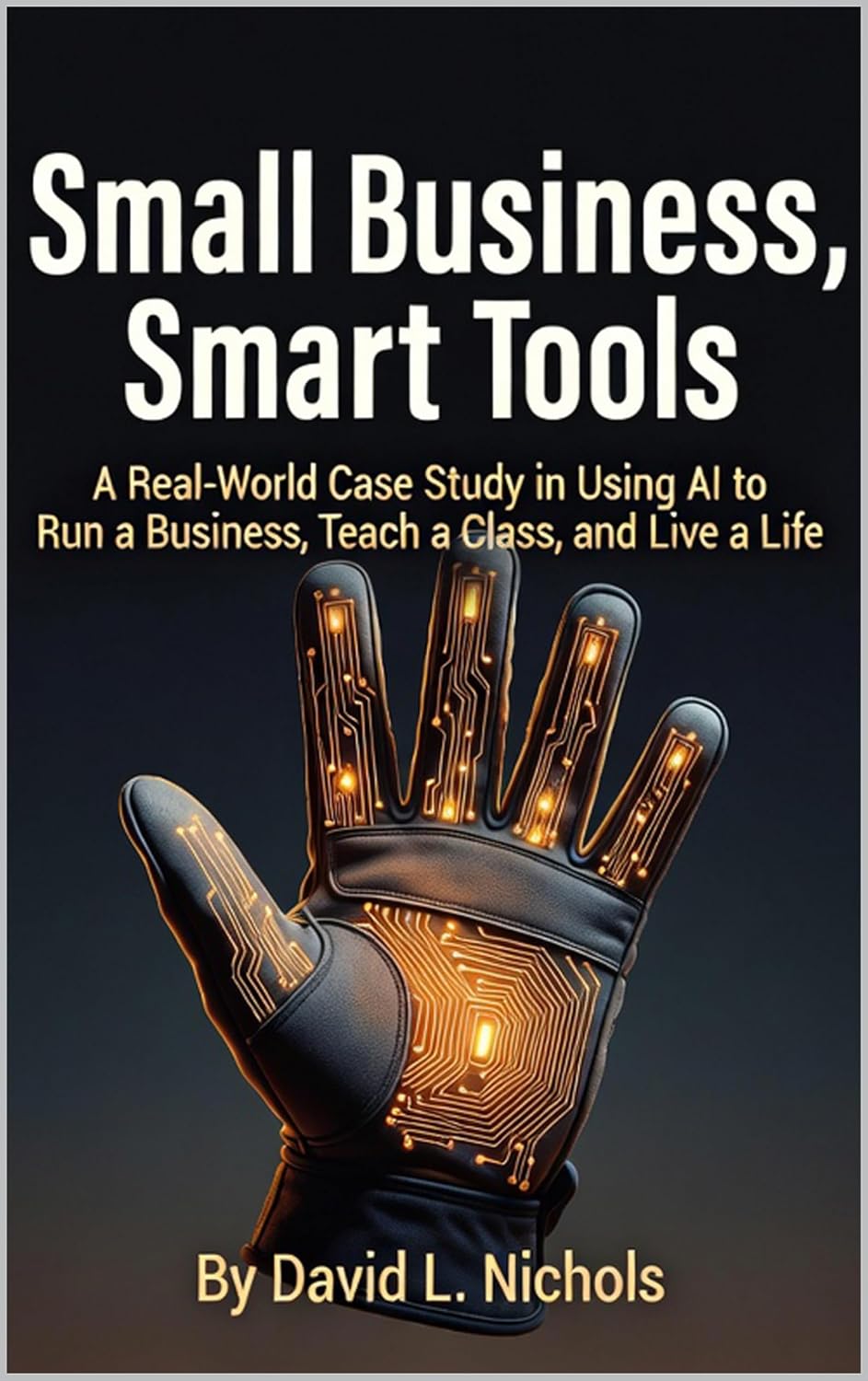
This is adapted from Appendix B of Small Business, Smart Tools — a real-world case study in using AI to run a business, teach a class, and live a life.